The faculty of Science at the University of Kerbala examined a Master’s thesis presented by (Muna Hassan Hamza) from the Department of Physics, which focused on the preparation of titanium dioxide (TiO₂) nanoparticles doped with silver nanoparticles and the assessment of their antibacterial activity. The study aimed to synthesize nanostructures of pure and silver-doped TiO₂ with varying concentrations using the hydrothermal technique, as well as to examine the factors influencing their structural dimensions. The research also tested the antibacterial activity of these nanostructures against Gram-positive and Gram-negative bacteria. Findings revealed that variations in fabrication parameters directly affected the morphology and size of the nanoparticles, which in turn influenced their antibacterial performance. Furthermore, doping with silver at concentrations of 1%, 1.5%, and 2% led to reduced particle size and significantly enhanced antibacterial activity. The silver-doped samples demonstrated notable effectiveness against E. coli, S. aureus, and S. mutans. The thesis concluded that silver-doped TiO₂ nanoparticles possess high antibacterial potential, making them promising candidates for medical and biological applications. The recommendations highlighted the need for further investigation into the effect of thermal processing conditions, such as temperature and duration, on the biological activity of the nanoparticles, in addition to exploring other physical and chemical fabrication methods to further enhance antibacterial efficiency. 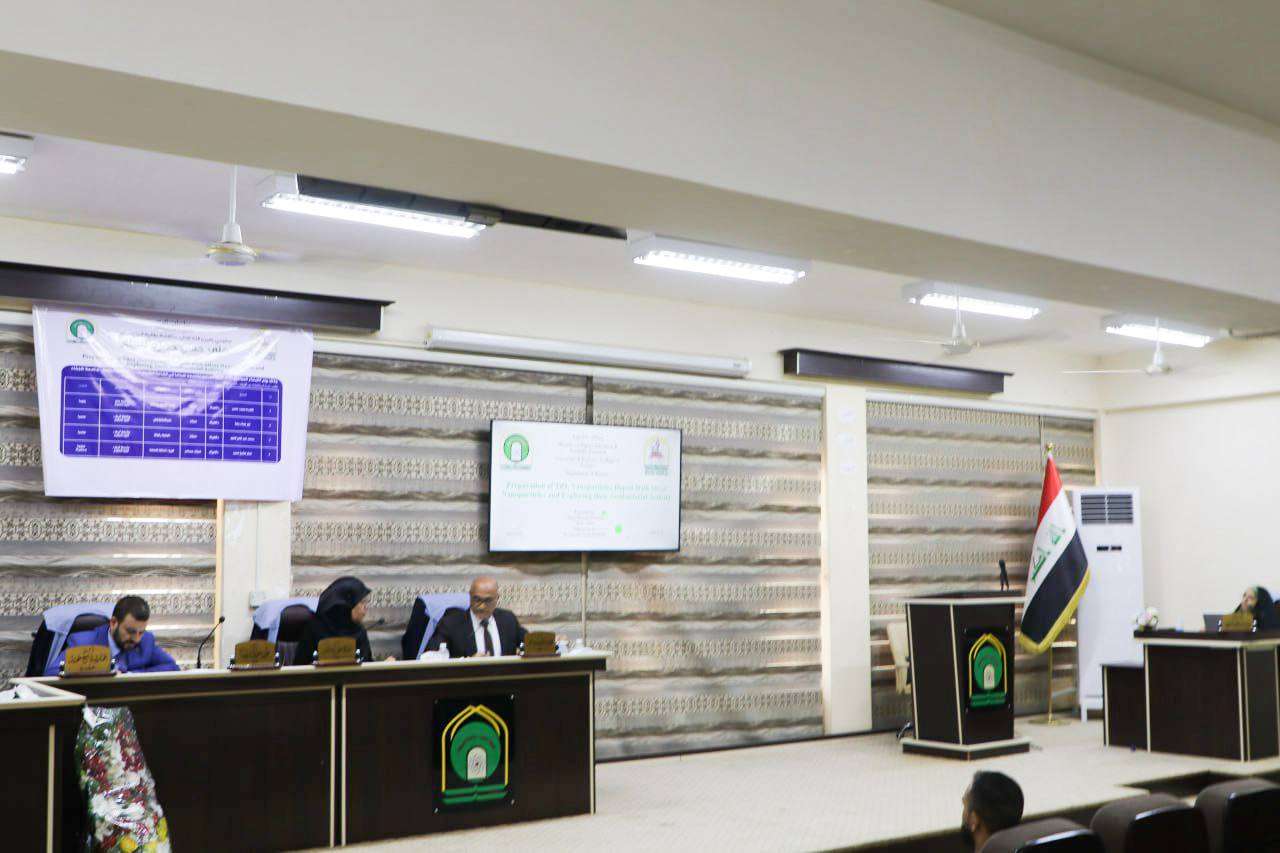
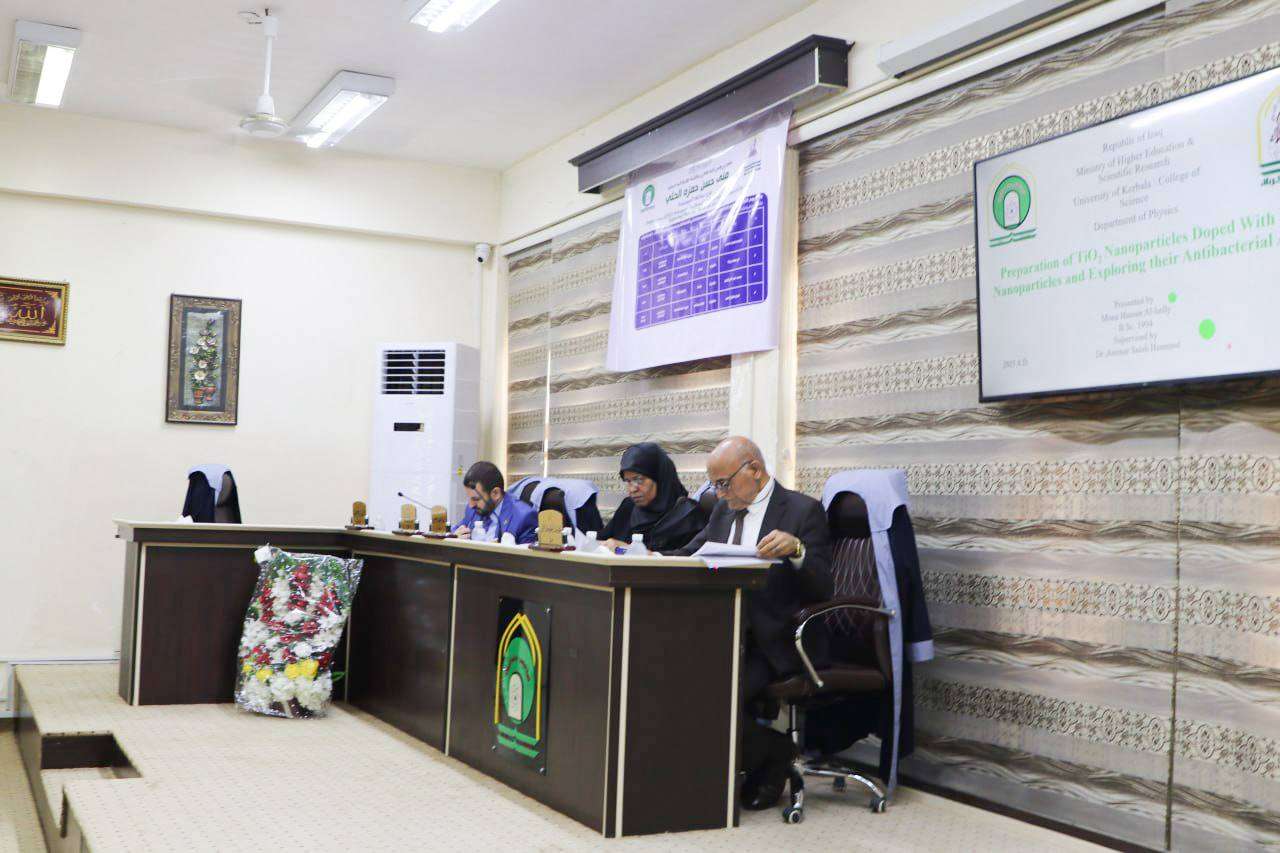
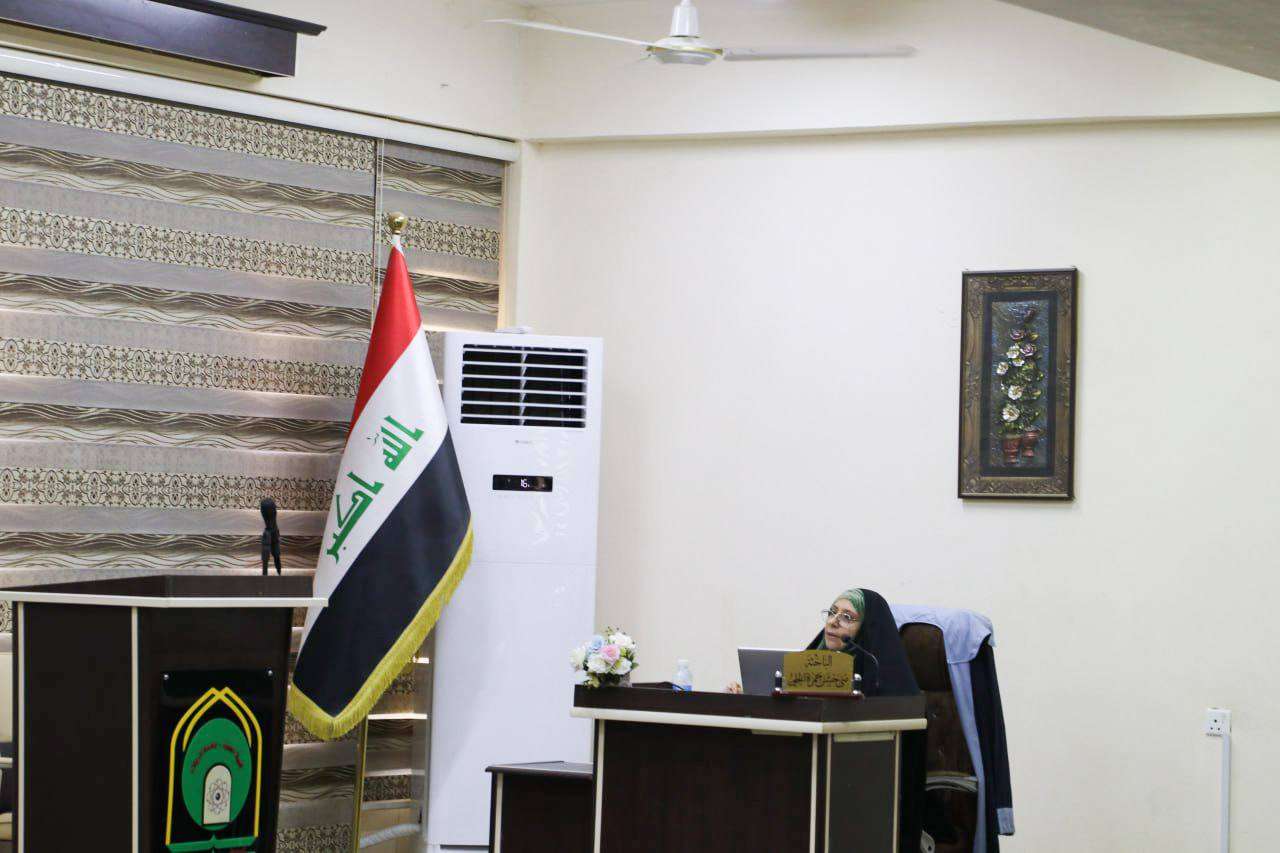
A Master’s thesis at the University of Kerbala investigates the synthesis of hybrid nanoparticles and their antibacterial effectiveness.
You Might Also Like

The Psychological Counseling and Educational Guidance Unit at the College of Science, University of Karbala, organized a seminar titled “The Impact of Unregulated Mobile and Social Media Use on Academic Performance.”

The College Celebrates World Environment Day and World Day to Combat Desertification and Drought